Four ways to cut embodied carbon and waste in commercial fit outs
Fit outs represent a significant but often overlooked source of embodied carbon emissions over the lifecycle of an asset. Discover how leading organisations are taking circular, low-carbon approaches to meet their ESG targets.

Organisations face increasing pressures to meet the latest environmental, social and governance (ESG) targets.
For example, in Australia, this includes mandatory Scope 3 emissions reporting for tier-one companies that commenced in January 2025. Embodied carbon in workplace and commercial fit outs is a critical but often overlooked contributor to overall emissions.
Forward-thinking organisations are rising to this challenge by reimagining how they design, build and manage fit outs. We’ve been working with clients across diverse industries, drawing on local and global experience to help them reduce embodied carbon in real, practical ways, to create more circular, low-carbon fit outs. Here are four stories from organisations leading the way.
Furniture as a service: how Koskela is diverting furniture from landfill
Each year, Australia generates 30,000 tonnes of commercial furniture waste, with 95% ending up in landfill. When workplaces close or refresh their fit outs, furniture is often discarded due to perceived low value or stylistic changes, contributing to landfill and greenhouse gas emissions. Sydney-based designer Koskela is tackling this issue by offering a ‘furniture as a service’ model.
Instead of following the traditional linear approach of purchase, use and dispose, furniture is provided for fit outs, then returned, refurbished and reused in subsequent projects. This helps organisations meet their carbon and waste reduction commitments and supports them achieving Green Star fit out ratings, which are increasingly valued in procurement.
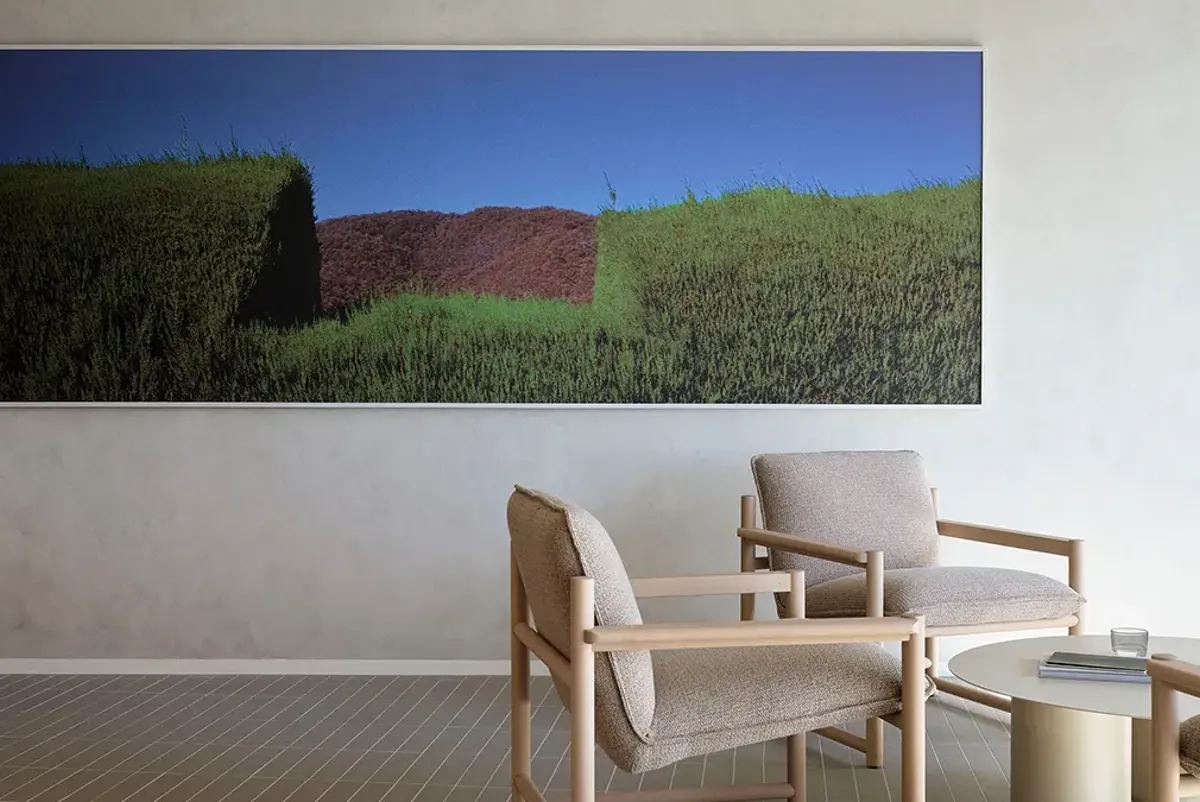
In collaboration with Koskela, we assessed seven furniture pieces for material mass, recycled content, and the impacts of reuse versus traditional disposal.
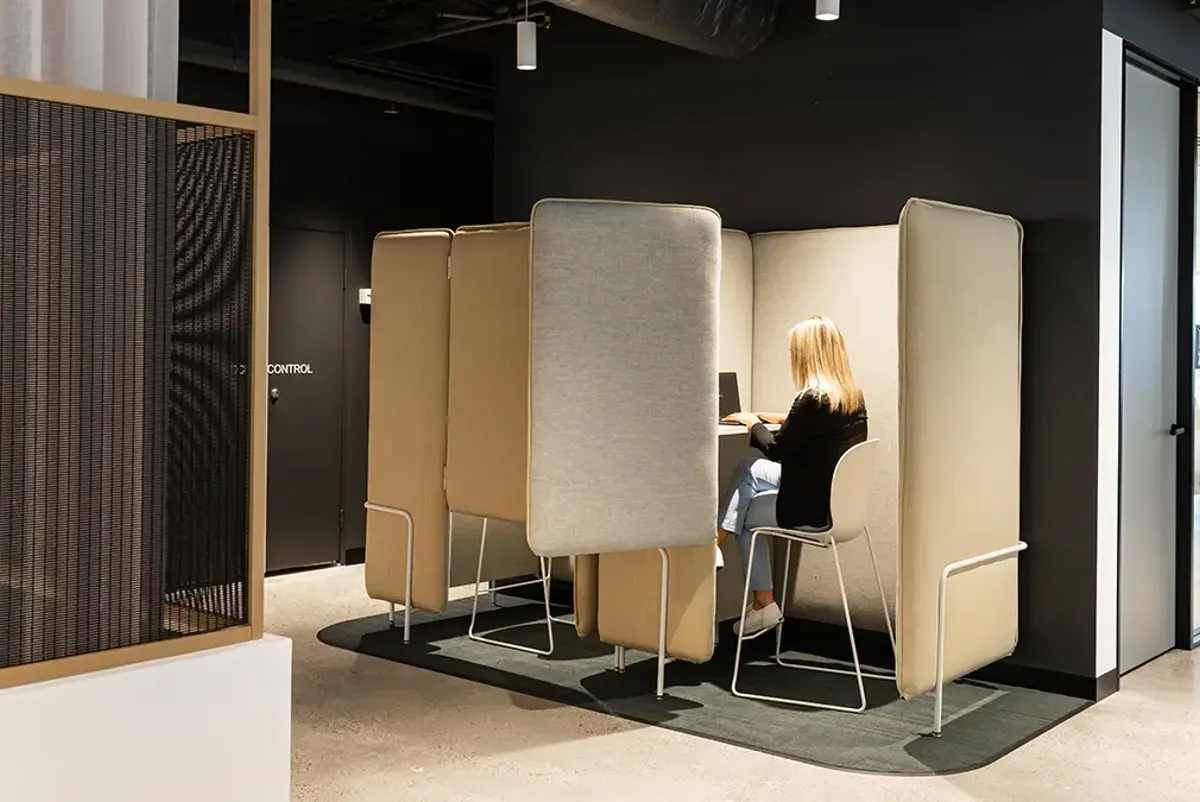
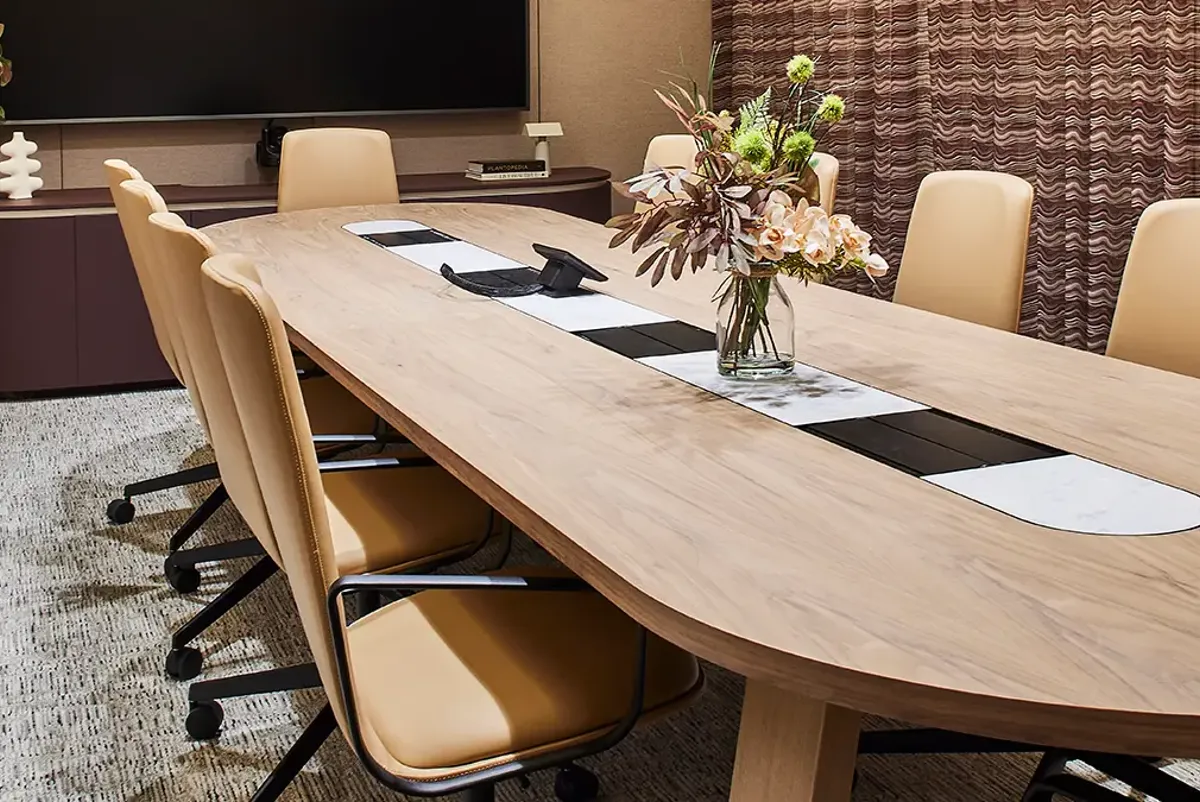
In collaboration with Koskela, we assessed seven furniture pieces for material mass, recycled content, and the impacts of reuse versus traditional disposal. By identifying hotspots, such as the impact of transporting fabric and overdesigned frames, we recommended ways to optimise material use and reduce embodied carbon without compromising quality. Koskela now uses this data to make more sustainable material choices and provide clients with clear carbon reporting.
Designing for flexibility: why financial institutions are embracing modular design
When financial institutions modernise their brand identities and customer experiences, their physical spaces, particularly retail branches and workplaces, must also evolve. Frequent refreshes often result in significant waste, locking organisations into a cycle of demolition and rebuild.
Designing for flexibility is fast becoming the new standard for financial institutions, focusing on modular, flexible environments that can be reconfigured, reused and reassembled without waste.
We have been supporting several major financial institutions with this approach – from establishing embodied carbon baselines to developing circular design strategies and reduction roadmaps. These environments can be complex with layers of materials and systems, which is why it's critical to consider every detail, from raised floors to tile reusability, ensuring each component can adapt over time rather than end up in landfill.
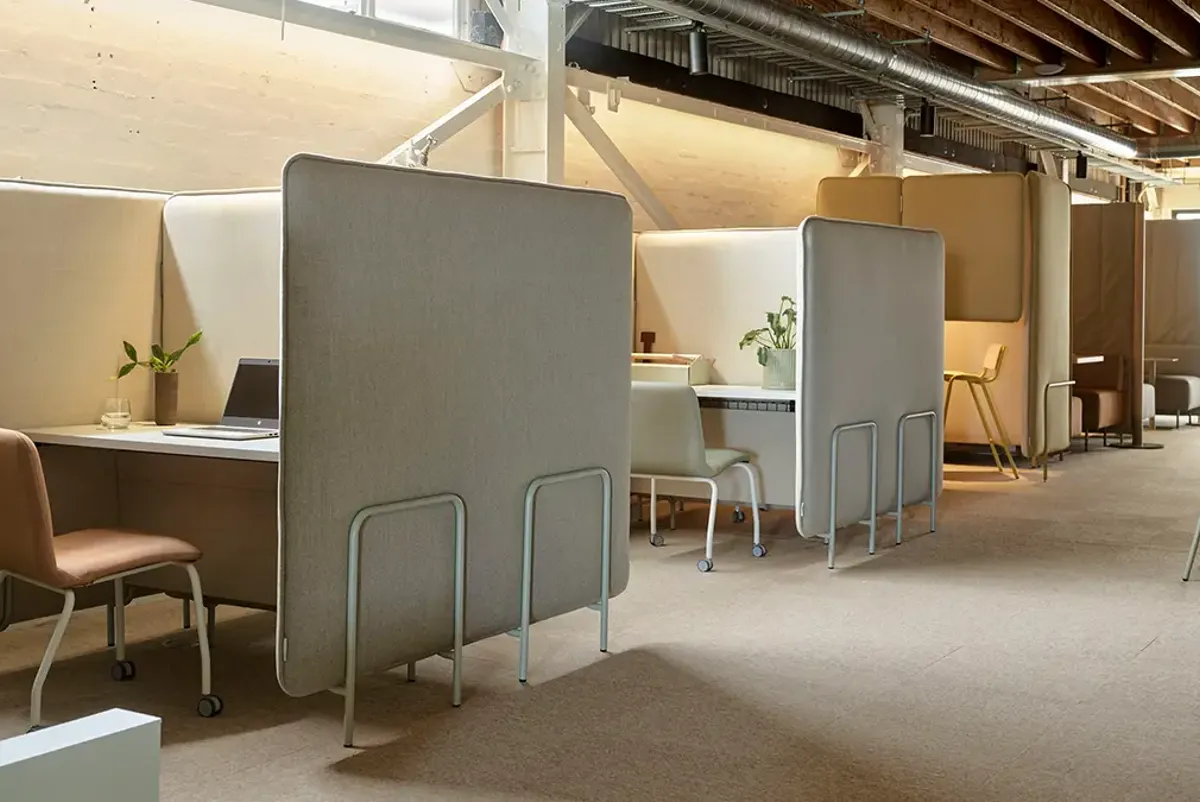
For one client, we provided guidance on material selection and space planning for a recent fit out, achieving a 30 to 40% reduction in embodied carbon, driven by modular meeting pods, flexible layouts and furniture reuse. For another, we helped develop a prefabricated, modular ATM chassis to function as a kit of parts. This makes the machine’s walls easy to refresh rather than demolish.
Setting materiality standards: Bradfield Development Authority’s integrated approach
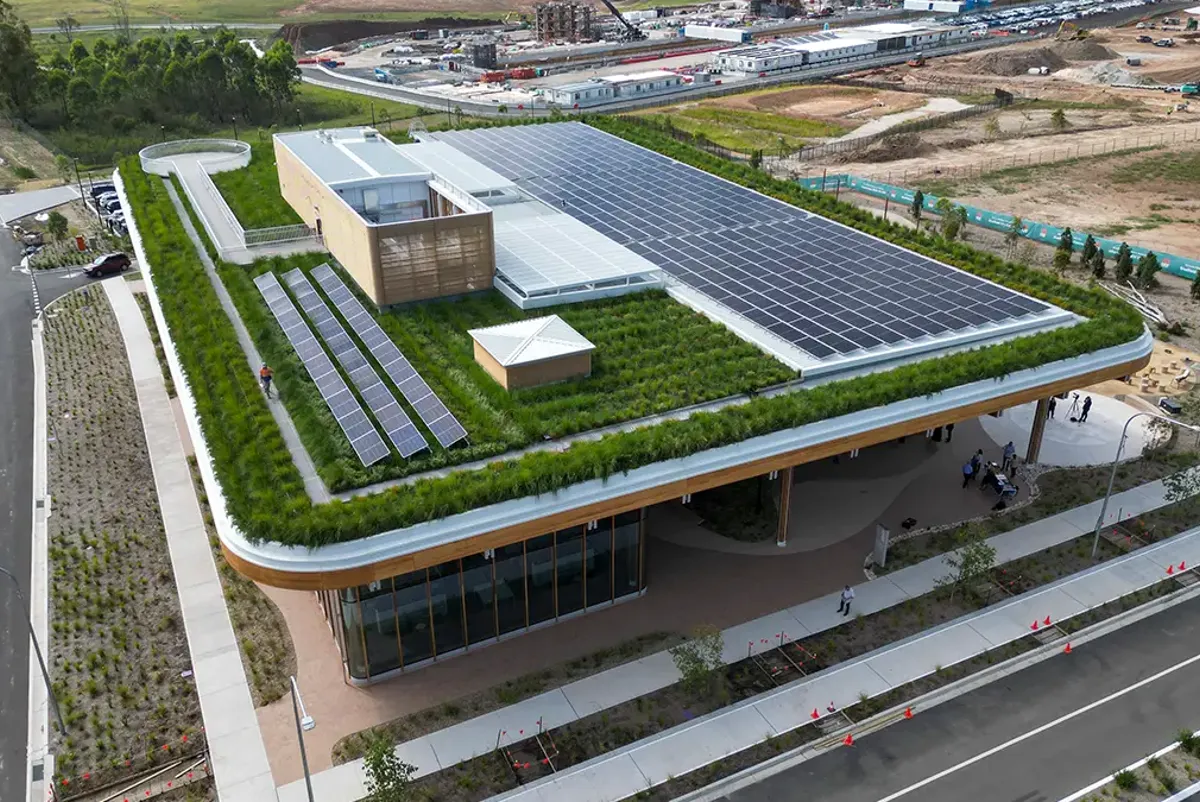
The Bradfield Development Authority (BDA) is responsible for developing Bradfield City Centre, Australia’s newest city next to the new Western Sydney International Airport, and is taking a proactive approach to reduce emissions and waste in its fit outs.
BDA is embracing circular design and construction principles using products with recycled content to reduce the need for raw material extraction. The organisation is also adopting a whole-of-industry approach by collaborating closely with developers, designers and contractors across the supply chain and sharing findings in a public document for the whole industry to use.
We partnered with BDA to create the Recycled Materials Guidance Document, a comprehensive resource designed to support the integration of recycled content in various construction typologies. It covers a range of fit out materials from carpet and plasterboard to insulation and furniture, aligning with emerging government policies on low-carbon and recycled material procurement.
The guidance document provides product lists, datasheets, performance notes and case studies for acoustic, thermal, structural and other materials. It supports residential, commercial, industrial and public projects across Bradfield City Centre.
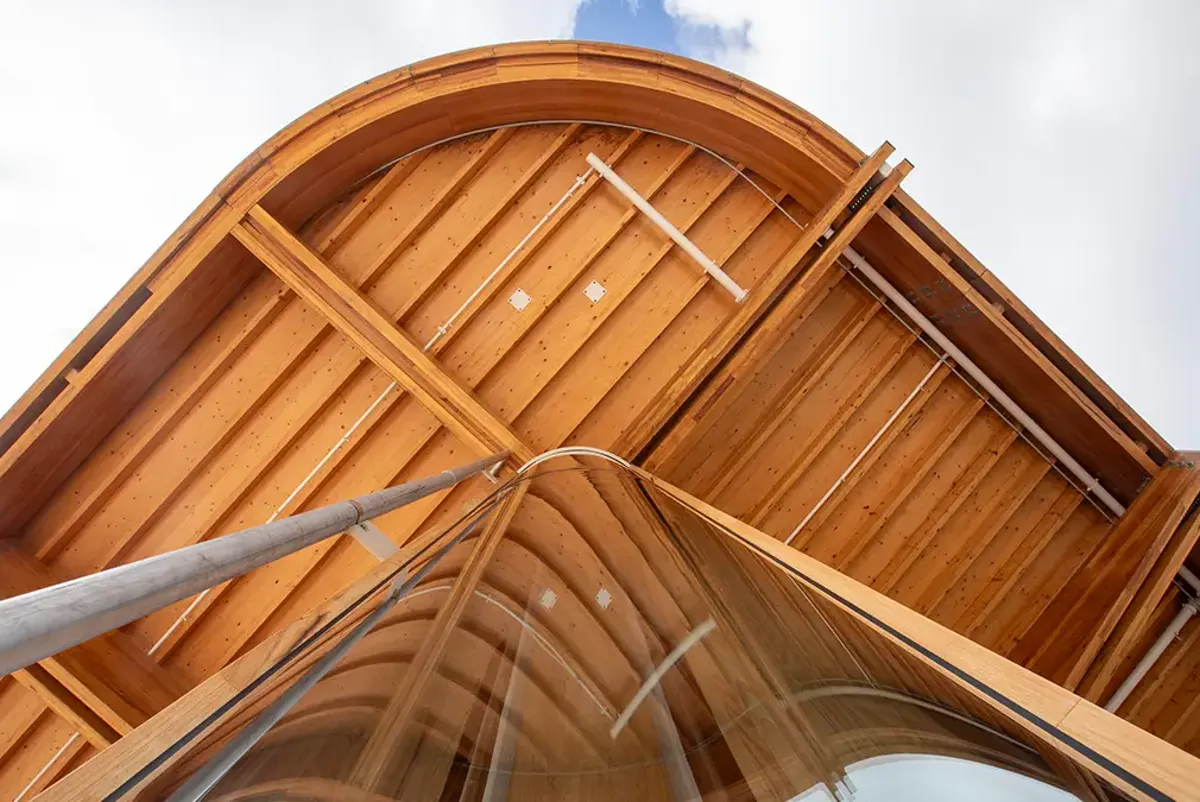
The Recycled Materials Guidance Document supports residential, commercial, industrial and public projects across Bradfield City Centre.
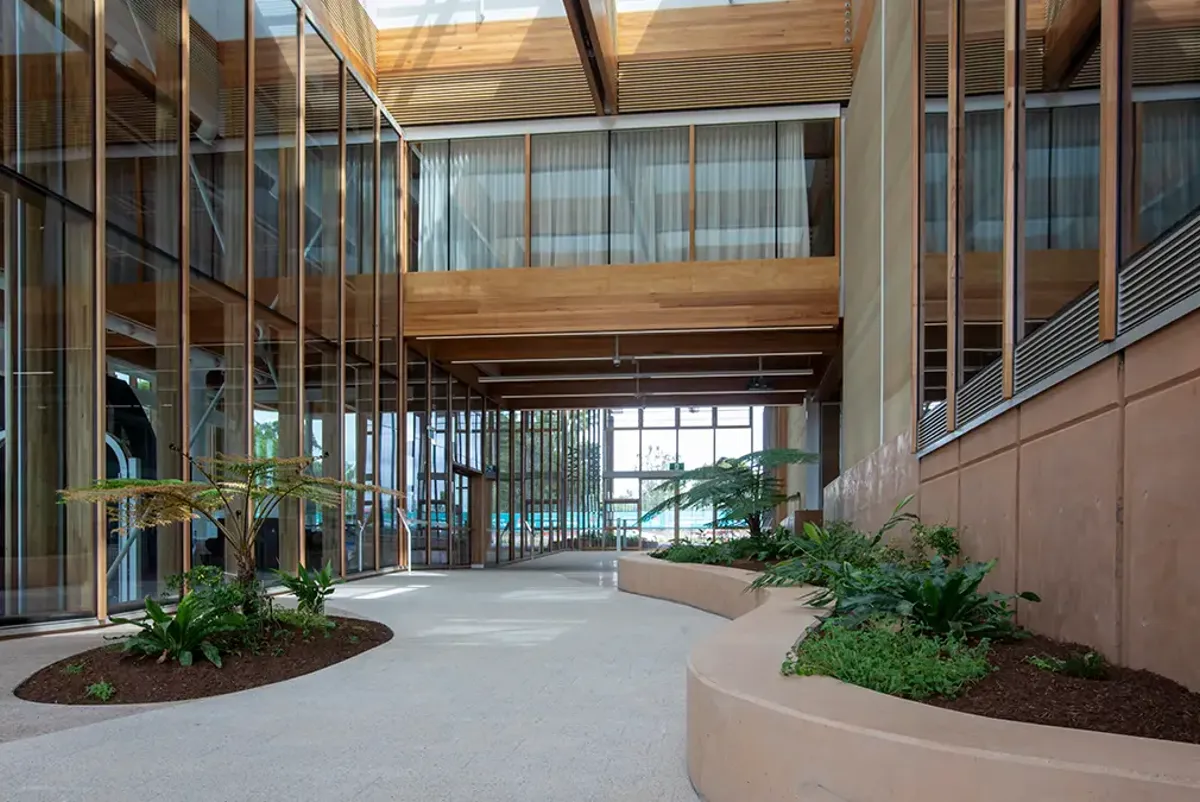
Embracing existing buildings: Meridian Energy’s new headquarters in Wellington
Seismic concerns were the main reason for Meridian Energy’s workplace move, but sustainability drove the decision to reimagine a 120-year-old heritage building into a sustainable, regenerative workplace. We teamed up with Unispace and Meridian Energy, New Zealand’s largest generator of renewable energy, to pursue the Living Building Challenge – the global benchmark for healthy and regenerative spaces.
We helped deliver a workplace that proves circularity and reuse can outperform traditional approaches. Materials were chosen with care: 95% of construction waste was kept out of landfill and 90% of finishes were non-toxic and half were sourced locally.
Custom meeting pods, built with XFrame’s prefabricated timber system, are fully demountable and designed to be reused or relocated as needs change. Meanwhile, sustainable materials like SaveBoard were incorporated throughout the project.
Nature is woven throughout the space. Staff and visitors arrive to the sound of native birdsong, a lush indoor garden and a 300 kg pounamu (greenstone) stone, relocated from Meridian’s former workplace.
Sharing insights, moving forward together
Does the growing adoption of circular economy principles signal a shift in how fit out design uses materials? Could the sector move toward regenerative design? We believe so. Regenerative design means making considered choices, using resources responsibly, and prioritising reuse, recycling and reimagining. We’ve applied this approach across our own workplaces in Brisbane, Adelaide, Auckland and Perth, by undertaking the Living Building Challenge, gaining firsthand insights that now shape how we approach client projects.
Arup Adelaide office
The mezzanine level of Adelaide’s iconic Reserve Bank Building has been refurbished into our new Adelaide office. The Living Building Challenge framework (a globally recognised certification system from the Living Future Institute) was adopted from the outset to guide the design and construction.
Learn more
Arup Brisbane office
We designed a regenerative, sustainable fitout that prioritises health and wellbeing through inclusive design, natural elements and thoughtful materials
Learn more
Arup Auckland office
In collaboration with Unispace and cultural advisors at Te Manu Taupua, we co-created a sustainable workplace celebrating our values and connection to Māori culture and values.
Learn more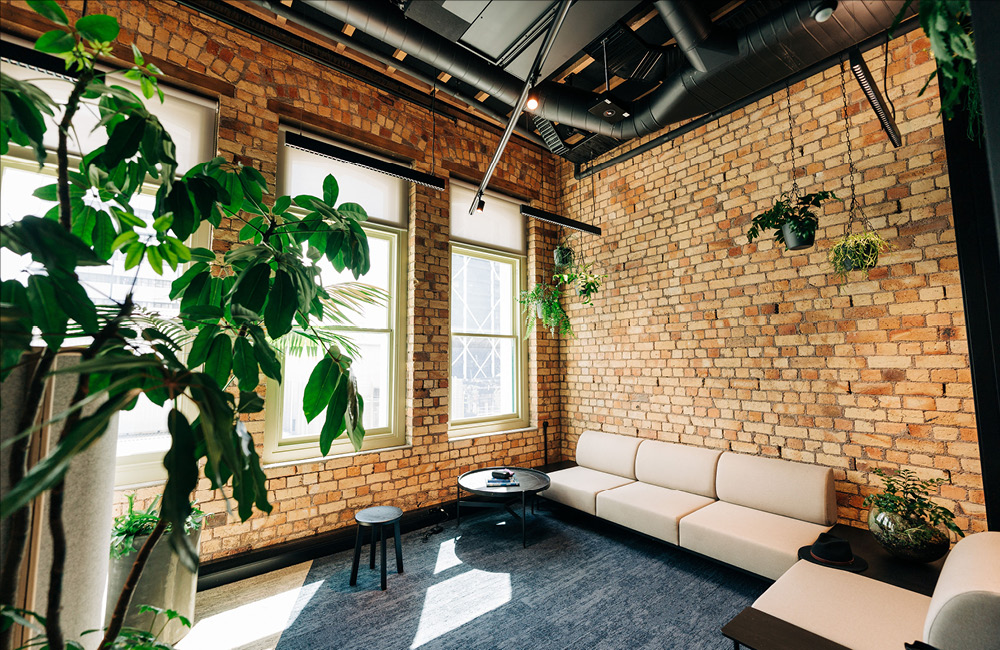
Arup Perth office
The Living Building Challenge created a regenerative and sustainable approach to fit-out design, prioritising people and the environment.
Learn more
Adopting circular economy principles in fit out design is transforming material use and sustainability. From carbon assessments to Scope 3 reporting, these strategies help organisations embed sustainability into ESG goals and drive smarter decisions. To learn more, get in touch with our team.